WARNING: This product contains nicotine. Nicotine is an addictive chemical.
Shipped from TN
Great prices
Free shipping above $50
The Science Behind Nicotine Pouches: Chemistry, Sensation & Modern Etiquette
By Emmett Underwood ·
Why can two nicotine pouches containing exactly the same amount of nicotine feel completely different? The answer goes far beyond the milligrams printed on the can.
From pH levels and nicotine absorption to moisture, flavor ingredients, and pouch design, several factors influence how a nicotine pouch feels under your lip.
Whether you're already familiar with nicotine products or exploring tobacco-free alternatives, understanding how nicotine pouches work can help you make sense of their different strengths, flavors, and formats.
In this guide, we'll explore the chemistry behind nicotine pouches, what creates that familiar tingling sensation, and the everyday etiquette surrounding their use.
How Do Nicotine Pouches Work?
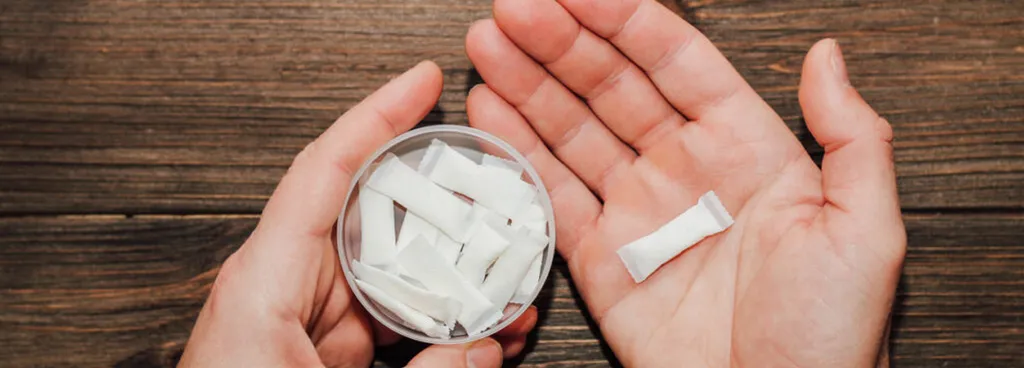
Nicotine pouches are small, tobacco-leaf-free portions containing nicotine, plant-based fibers, flavorings, and other ingredients.
When placed between the upper lip and gum, the pouch releases nicotine, which can be absorbed through the oral lining.
However, nicotine content alone doesn't determine how strong a pouch feels. Its formulation, pH level, moisture content, and flavor ingredients all contribute to the experience.
1. The Role of pH in Nicotine Absorption
One of the most interesting aspects of nicotine pouch chemistry is the importance of pH levels.
Nicotine exists in two main forms: protonated (charged) nicotine and freebase (uncharged) nicotine.
The balance between these forms depends partly on pH:
- Lower pH: A larger proportion of nicotine remains protonated, making it less readily absorbed through the oral lining.
- Higher pH: A greater proportion exists as freebase nicotine, which can pass through the oral lining more readily.
Many nicotine pouches have alkaline formulations, often with pH values around 8–9, although actual levels vary considerably between products.
Manufacturers may use pH regulators, such as sodium carbonate, to influence this balance.
This helps explain why two nicotine pouches containing 6 mg of nicotine per pouch may deliver nicotine differently despite displaying the same strength.
2. Moisture, Texture, and Nicotine Release
Another important factor is the pouch itself.
Nicotine pouches come in different moisture levels, from relatively dry portions to softer, moist varieties.
Moisture influences how the ingredients dissolve and how the pouch feels in the mouth. However, a wetter pouch doesn't automatically deliver nicotine faster. The complete formulation matters.
Pouch texture also affects comfort. Softer materials may feel different against the gums than firmer or rougher portions, while friction and certain ingredients can contribute to irritation.
These differences explain why nicotine pouch strength involves more than simply checking the nicotine content.
Nicotine Pouches vs. Traditional Snus: What's the Difference?
Although nicotine pouches and traditional Swedish snus are used similarly, their ingredients and characteristics are different.
| Feature | Traditional Snus | Nicotine Pouches |
|---|---|---|
| Main material | Tobacco | Plant-based fibers and other fillers |
| Tobacco leaf | Contains tobacco | No tobacco leaf |
| Nicotine source | Naturally present in tobacco | Added nicotine, which may be tobacco-derived or synthetic |
| Flavor profile | Tobacco-based and flavored varieties | Mint, fruit, citrus, wintergreen, and more |
| Nicotine delivery | Depends on the formulation | Depends on pH, moisture, and formulation |
| Discoloration | Tobacco may contribute to staining | No tobacco leaf, but not guaranteed to prevent discoloration |
One major distinction is that tobacco-free nicotine pouches don't contain tobacco leaf, allowing manufacturers to create flavor profiles without an underlying tobacco taste.
However, neither category has one universal nicotine-release pattern. Individual products can vary significantly.
Why Do Nicotine Pouches Feel Cold, Warm, or Tingly?
One of the most recognizable characteristics of nicotine pouches is the sensation they create under the lip.
Interestingly, this doesn't always come directly from the nicotine.
Flavor ingredients can interact with sensory receptors in the mouth, producing cooling, warming, or tingling sensations.
Cooling Sensations: Mint and Menthol
Mint is one of the most common nicotine pouch flavor categories.
Ingredients such as menthol activate a sensory receptor called TRPM8, associated with the perception of cold.
This creates the familiar cooling sensation found in peppermint, spearmint, and other mint-flavored nicotine pouches.
Some formulations also contain additional cooling agents that can intensify the cold sensation.
As a result, a mint pouch may feel particularly intense even when its nicotine content is similar to that of a fruit-flavored product.
Warming Sensations: Cinnamon and Spicy Flavors
Other flavor ingredients produce a completely different sensory experience.
Cinnamon compounds can activate receptors such as TRPA1, while capsaicin, associated with chili peppers, activates TRPV1.
These sensory pathways contribute to warm, spicy, or irritating sensations.
A cinnamon-flavored nicotine pouch may therefore feel different from a peppermint pouch, even at the same nicotine strength.
Fruity and Sweet Nicotine Pouches
Fruit-flavored nicotine pouches offer another type of flavor profile.
Popular varieties include berry, citrus, watermelon, and tropical fruit combinations.
Sweetness and fruit aromas can change how users perceive a pouch's flavor and intensity. However, a sweeter flavor doesn't necessarily mean a lower nicotine strength or reduced nicotine absorption.
The important distinction is between actual nicotine content and perceived strength. Flavor affects the sensory experience, but it doesn't change the number of milligrams stated on the product label.
Nicotine Pouch Etiquette: At Work, the Gym, and Social Events
Beyond their chemistry, nicotine pouches have developed their own everyday etiquette.
Because they don't produce smoke or vapor, they can be used without creating a visible cloud or cigarette smoke odor. Nevertheless, considerate use and proper disposal remain important.
Nicotine Pouches at Work
Nicotine pouches are small and generally discreet, making them less noticeable than smoking or vaping.
For adults who already use nicotine products, smaller formats such as Slim and Mini can be less visible under the lip.
A few basic etiquette considerations include respecting workplace policies, avoiding handling used pouches during meetings, and keeping desks and shared spaces clean.
Nicotine Pouches at the Gym
Nicotine pouches are also discussed in fitness communities, sometimes in connection with alertness or concentration.
However, nicotine shouldn't be considered a proven workout-performance enhancer.
When visiting the gym, follow facility policies and dispose of used nicotine pouches properly. Never leave them on equipment, locker-room benches, or the floor.
Nicotine Pouches in Social Situations
Whether you're meeting friends, attending an event, or going on a date, discretion and cleanliness matter.
Used nicotine pouches should always be discarded responsibly. Some cans include a separate compartment in the lid for temporary storage before disposal.
And while nicotine pouches don't produce smoke, that doesn't mean they are appropriate in every setting. Respect the people around you and any applicable venue restrictions.
Nicotine Pouch Strength Guide: What Should Beginners Know?
One of the most common questions among adults transitioning from other nicotine products is how to compare nicotine pouch strengths.
At PouchPoint, nicotine pouches are grouped into four general strength categories:
| Strength Category | Nicotine per Pouch |
|---|---|
| Low Strength | 1–3 mg |
| Medium Strength | 4–7 mg |
| Strong | 8–10 mg |
| Extra Strong | 11–15 mg |
For adults who already use nicotine but are unfamiliar with nicotine pouches, lower-strength nicotine pouches can provide a useful starting point for comparing products.
However, nicotine tolerance varies between individuals. The same amount may feel different depending on the formulation and the user's previous nicotine exposure.
It's also important to remember that nicotine strength doesn't directly translate between different products. For example, a 6 mg nicotine pouch cannot automatically be considered equivalent to a cigarette.
Nicotine is highly addictive, and people who don't already use nicotine should not start.
Are Nicotine Pouches an Alternative to Cigarettes?
For adults who already smoke or use nicotine, nicotine pouches offer a smoke-free way to consume nicotine without burning tobacco or inhaling cigarette smoke.
Unlike cigarettes, nicotine pouches are placed between the upper lip and gum, where nicotine is gradually absorbed through the lining of the mouth. They are available in different flavors, formats, and nicotine strengths, allowing adult nicotine users to choose according to their preferences.
While nicotine pouches eliminate the need for combustion, they still contain addictive nicotine and are not risk-free.
Understanding the Science Behind Your Nicotine Pouch
The next time you compare two nicotine pouches with the same milligram strength, remember that the number on the can is only part of the story.
pH levels, nicotine formulation, moisture, pouch texture, and flavor ingredients all contribute to how a nicotine pouch behaves and feels.
Understanding these differences makes it easier for adult nicotine users to compare strengths, formats, and flavor profiles without relying entirely on the sensation under the lip.
At PouchPoint, we offer a selection of nicotine pouches across different strengths and flavors, including mint, wintergreen, fruit, and unflavored varieties.
Explore nicotine pouches at PouchPoint.com or discover our selection of mint-flavored nicotine pouches.
PouchPoint products are intended for adults aged 21 and older. Nicotine is an addictive chemical. Product availability varies by location.
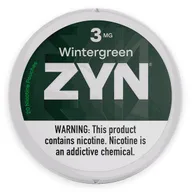
ZYN Wintergreen
3 mg/pouch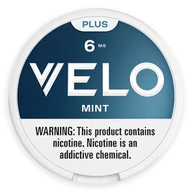
VELO Plus Mint
6 mg/pouch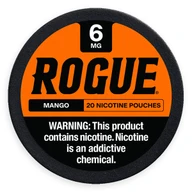
Rogue Mango
6 mg/pouch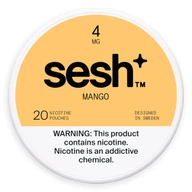
Sesh+ Mango
4 mg/pouchAge verification
You must be 21 or older to visit this website. Your age will be verified by a third-party service when you place an order.